
Energy vulnerability and urban regeneration in Barcelona
Araitz Villalba-Rodet. Doctoranda del programa de Doctorat en Sostenibilitat. UPC.
Fabian López Plazas. Profesor investigador programa Serra Húnter. Departament de Tecnologia de l’Arquitectura UPC-ETSAV.
Energy vulnerability has become a critical factor in defining strategies for sustainable urban regeneration and building renovation. In cities such as Barcelona, identifying areas with the highest energy poverty is essential for prioritising interventions that improve living conditions, reduce environmental impact and promote social equity. Incorporating energy vulnerability as a key criterion in decisions affecting the built environment requires a comprehensive understanding of the spatial, social and technical parameters that shape the energy needs and capacities of households. At the metropolitan level, factors such as the age and condition of buildings, urban morphology, socio-economic profiles, climate exposure and access to efficient energy systems must be considered in order to accurately map and address the most vulnerable areas.
Application of RETABIT Analysis in the Besòs area
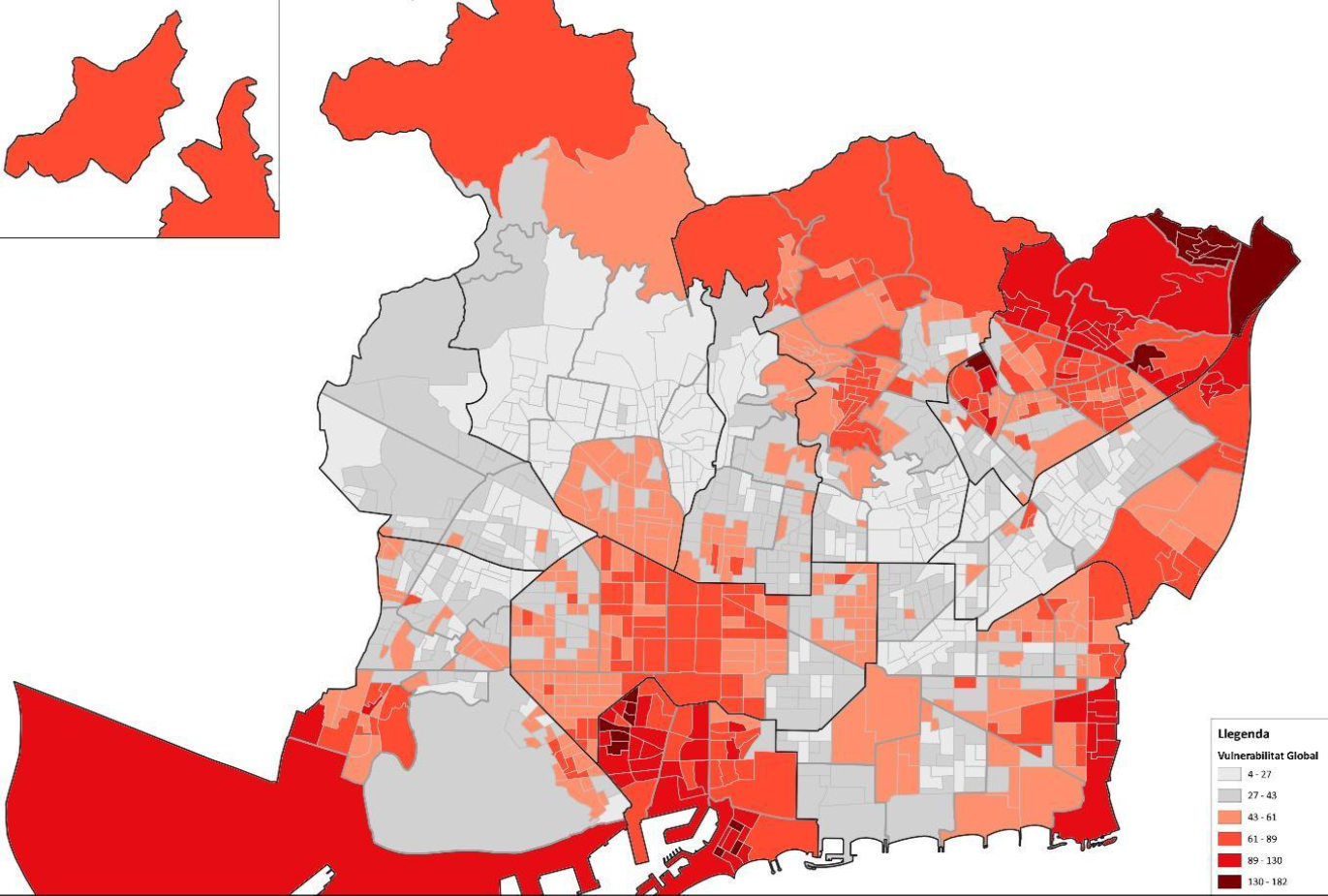
The purpose of this case study is to use the RETABIT tool to identify vulnerable areas in Barcelona and assess their potential for rehabilitation. Based on the vulnerability analysis carried out in 2022 by the Barcelona City Council's Urban Regeneration Programme, RETABIT is used to compare, validate and complement the initial results.
The study focuses on two areas of the city of Barcelona:
- the area around the Besòs River, an area with urban and social contrasts that allows for the exploration of different vulnerability indicators
- the La Pau neighbourhood, en el distrito de Sant Martí, caracterizado por su homogeneidad edificatoria y por presentar necesidades específicas de regeneración.
The exercise consists of two main tasks:
-
Identification of vulnerability in the Besòs river area using “Retabit Analiza”.
The first step is to explore which layers of data available in “Retabit Analiza” are most useful for locating and assessing vulnerability in the Besòs River area of Barcelona (Figure 1).. -
Assessment of possible interventions in the La Pau neighbourhood using “Retabit Planifica”.
Once the general characterisation of the area has been completed, the second step focuses on the La Pau neighbourhood. Using the "Retabit Planifica" tool, different renovation scenarios are created and evaluated to identify possible rehabilitation strategies for this area.
1. Vulnerability analysis in the Besòs river area
The first step in the analysis is to check whether the data provided by RETABIT matches the information on energy vulnerability obtained by the Barcelona City Council's Urban Regeneration Programme. This comparison allows the tool to be validated and its usefulness in guiding the study to be assessed.
RETABIT Analiza provides this information for the city of Barcelona as a whole:
- Buildings: 61.173
- Dwellings: 684.990
- Inhabitants: 1.587.238
- Final energy consumption: 17.798 GWh/año
- CO₂ emissions: 3.539.231MTCO2/año
- Housing affordability:42% of household income
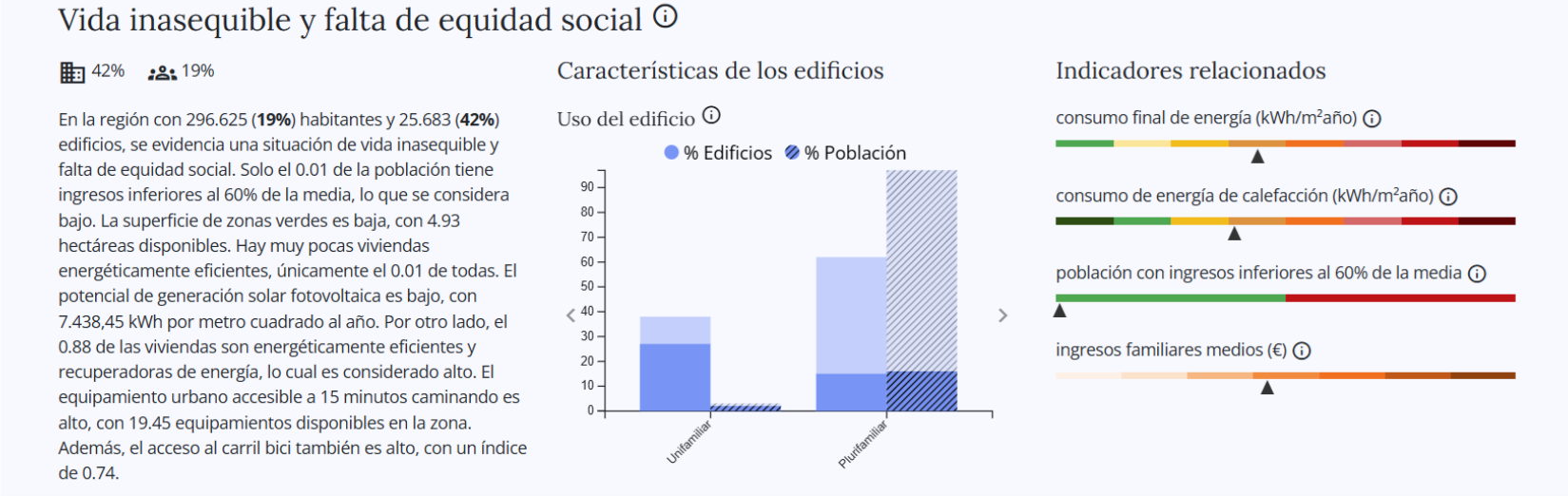
The tool allows this data to be grouped and visualised under the theme "Unaffordable living and lack of social equity", making it easier to identify areas where living conditions and access to energy are most difficult (Figure 2). This initial exploration guides the analysis and helps to select areas where interventions can be planned with RETABIT Planifica, aimed at improving energy efficiency, reducing energy poverty and promoting social equity.
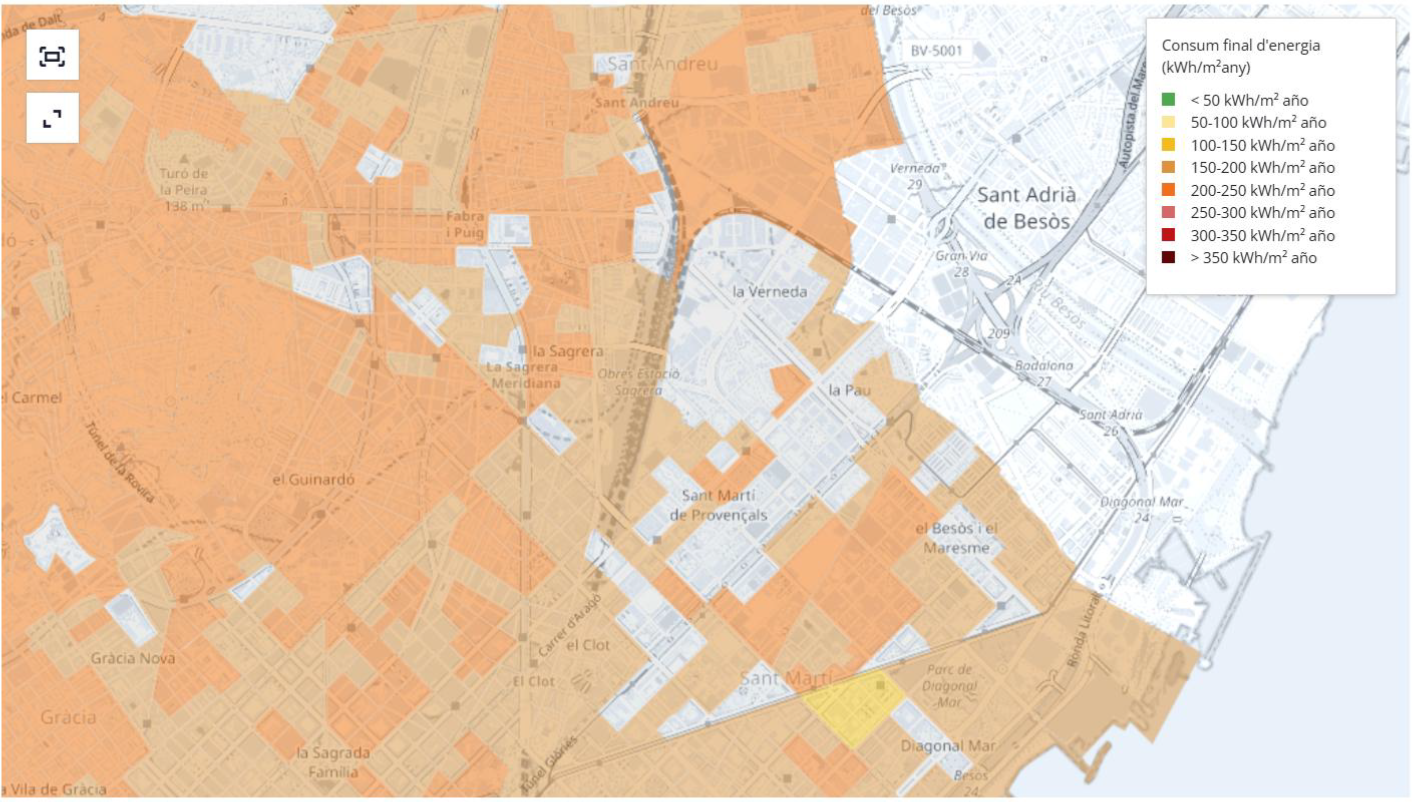
When analysing the specific area of the Besòs River, energy consumption indicators show that most buildings have similar values, between 150 and 200 kWh/m²/year (Figures 3 and 4). This range contradicts the initial assumption that lower-income households would have lower consumption. For example, a 70 m² dwelling could spend between €1,100 and €1,500 per year on energy.
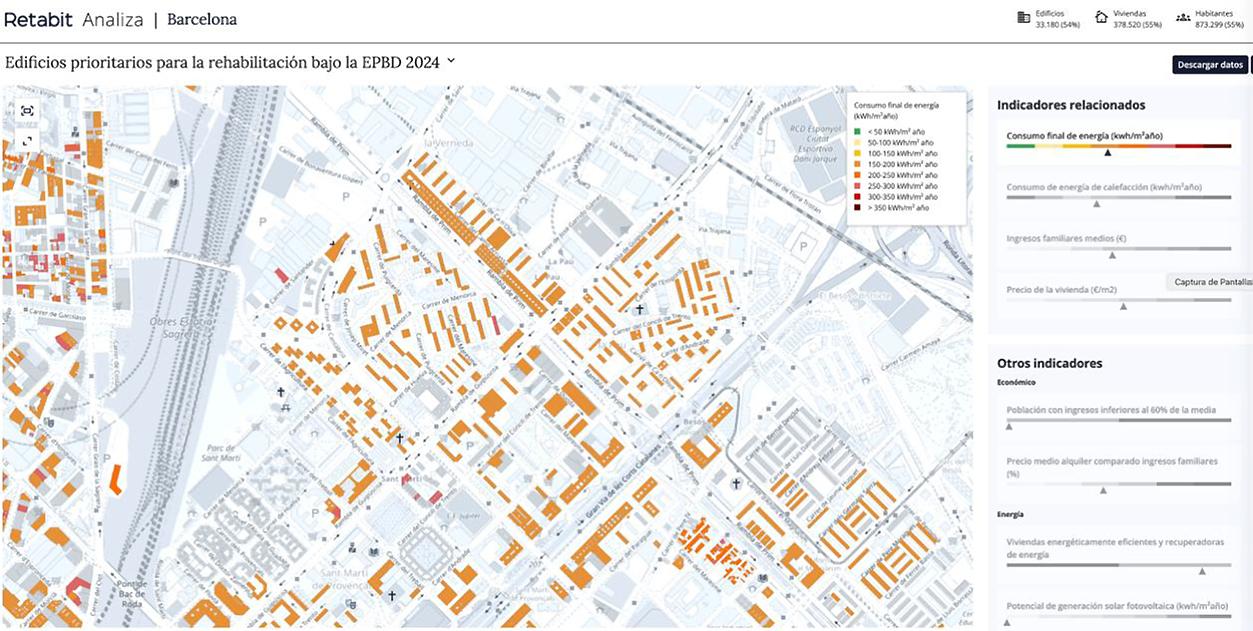
A similar pattern can be observed when considering the population with incomes below 60% of the national average (Figure 5).
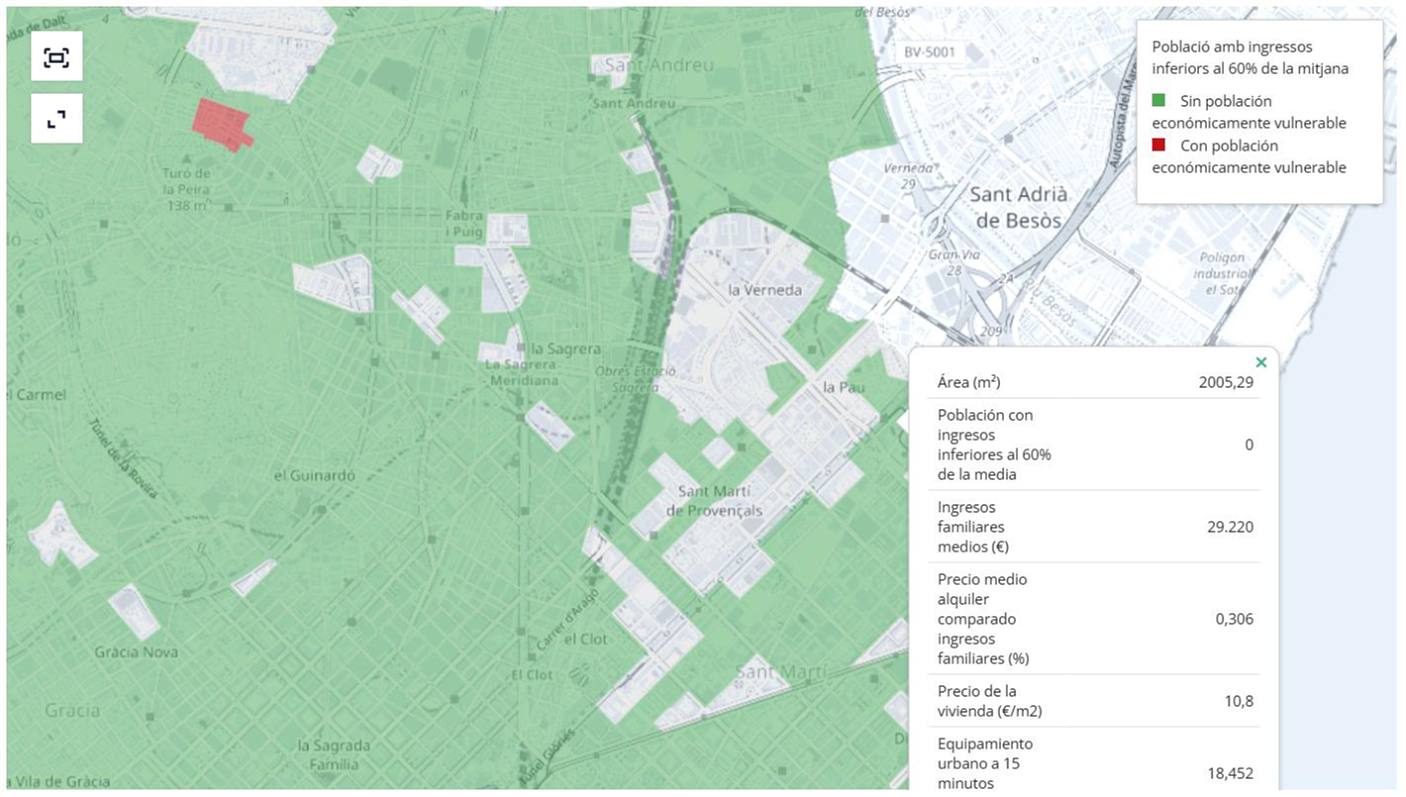
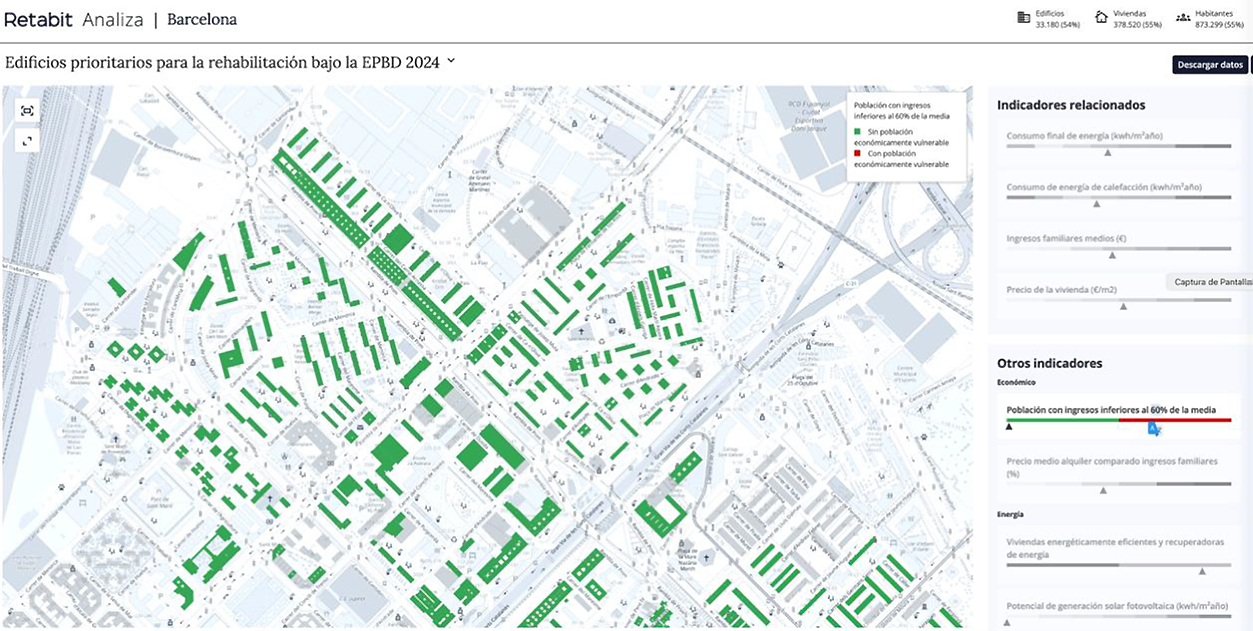
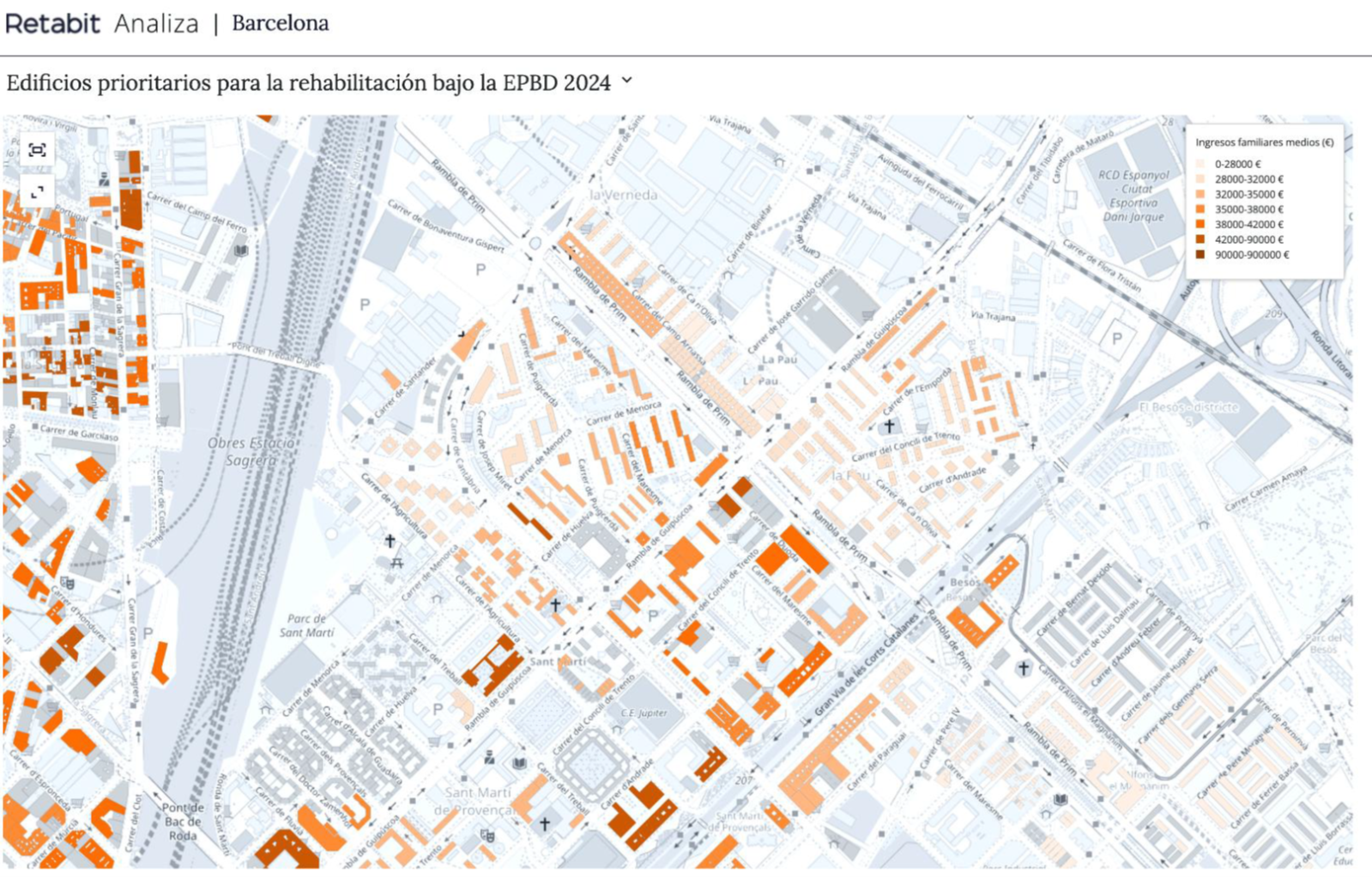
Although RETABIT classifies the area as having no economically vulnerable people (Fig. 6), the average household income indicator shows income differences between residents of the buildings (Fig. 7). This discrepancy may be due to the fact that economic vulnerability criteria consider not only income but also other factors, such as household composition, housing expenditure and access to basic services. Therefore, although some buildings have lower incomes, they are not reflected as vulnerable according to the definition used by the tool.
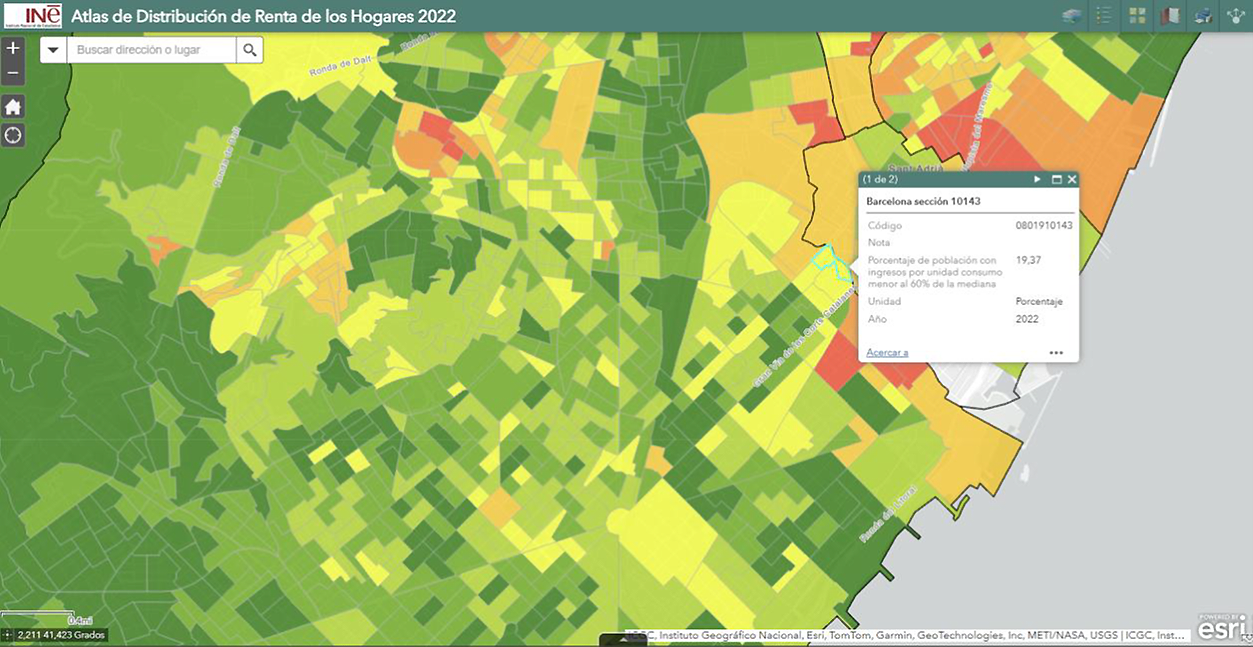
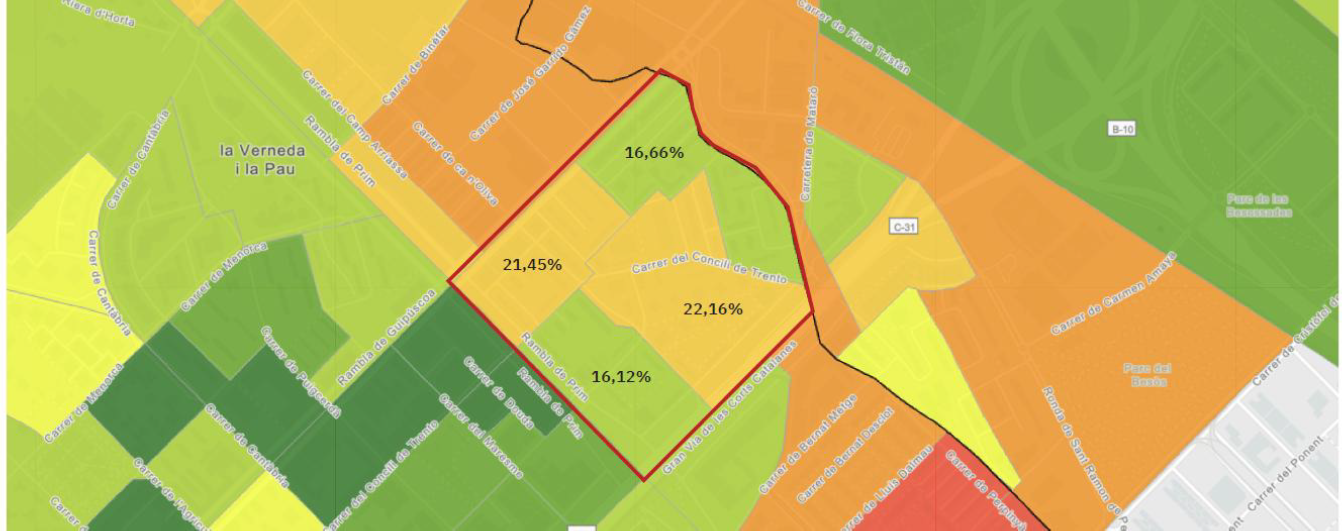
When comparing the results provided by RETABIT with the Household Income Distribution Atlas of the National Institute of Statistics (INE) (Figure 8), it can be seen that the INE detects a significant presence of poverty risk and economic vulnerability in the same area. The difference is partly due to the fact that RETABIT uses average income, while the INE uses median income, as well as reflecting certain limitations of the tool in capturing vulnerability in local contexts.
Despite these discrepancies, RETABIT is useful for identifying general consumption patterns and socio-economic characteristics of the area. Based on the complementary data and evidence of inequality, the initial hypothesis of vulnerability in the Besòs River is maintained, and we move on to the second phase of the analysis with RETABIT Planifica, focused on the design of specific interventions.
2. Planning renovation interventions in the La Pau neighbourhood
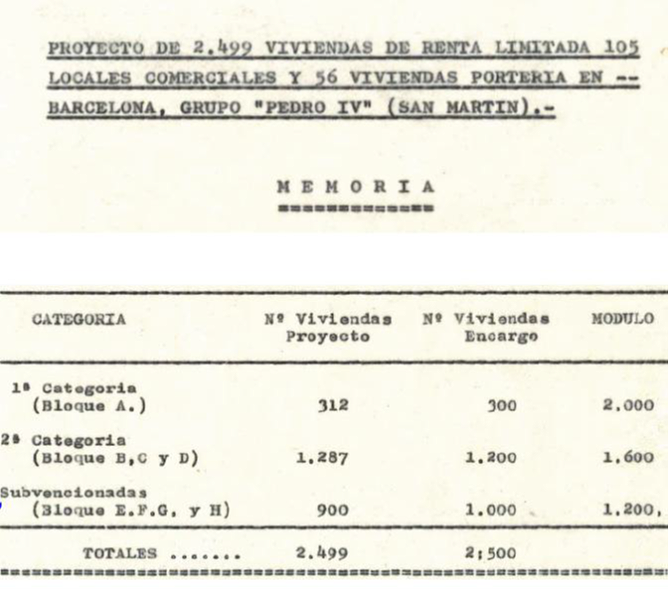
Following the preliminary analysis, the study focuses on the La Pau neighbourhood in the Sant Martí district, which was inaugurated in 1964 to meet the urgent housing needs of families from the former shanty towns of Somorrostro and Camp de la Bota. According to the project report, 2,499 homes of different characteristics were built (Figure 9). The rapid, low-quality construction, together with the low incomes of the residents, makes the neighbourhood a relevant case for evaluating possible energy improvement measures.
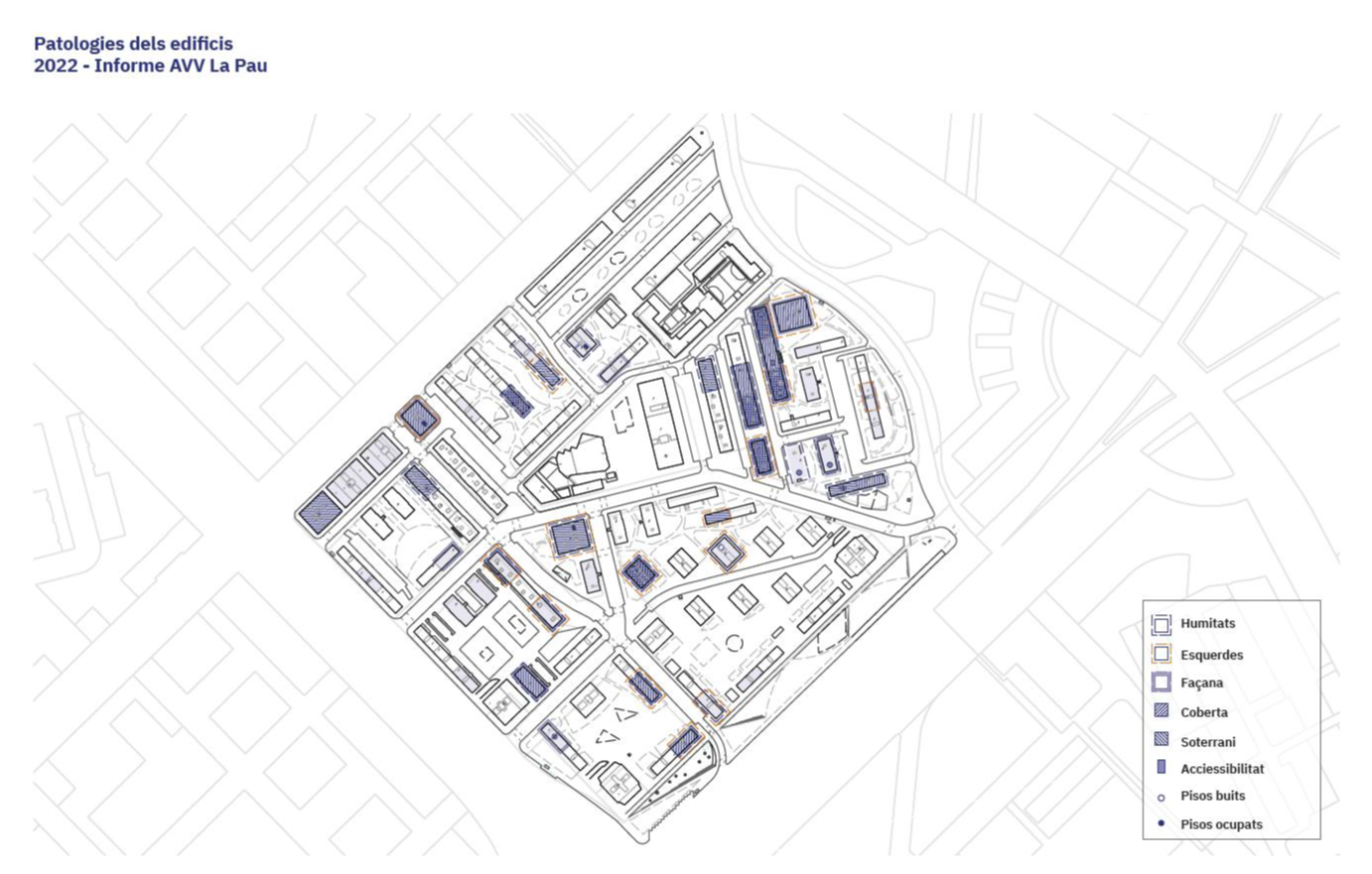
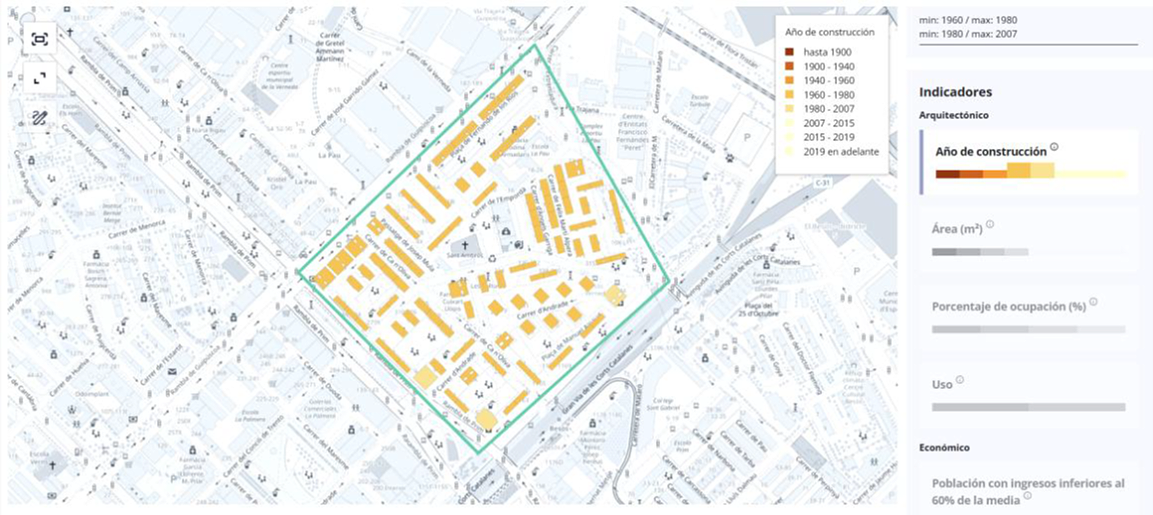
RETABIT indicates that the neighbourhood has 106 buildings and 2,570 dwellings, of which 2,390 were built between 1960 and 1969 and 180 between 1980 and 2007 (Figure 12). The difference can be explained by construction defects that forced some dwellings to be demolished and rebuilt.
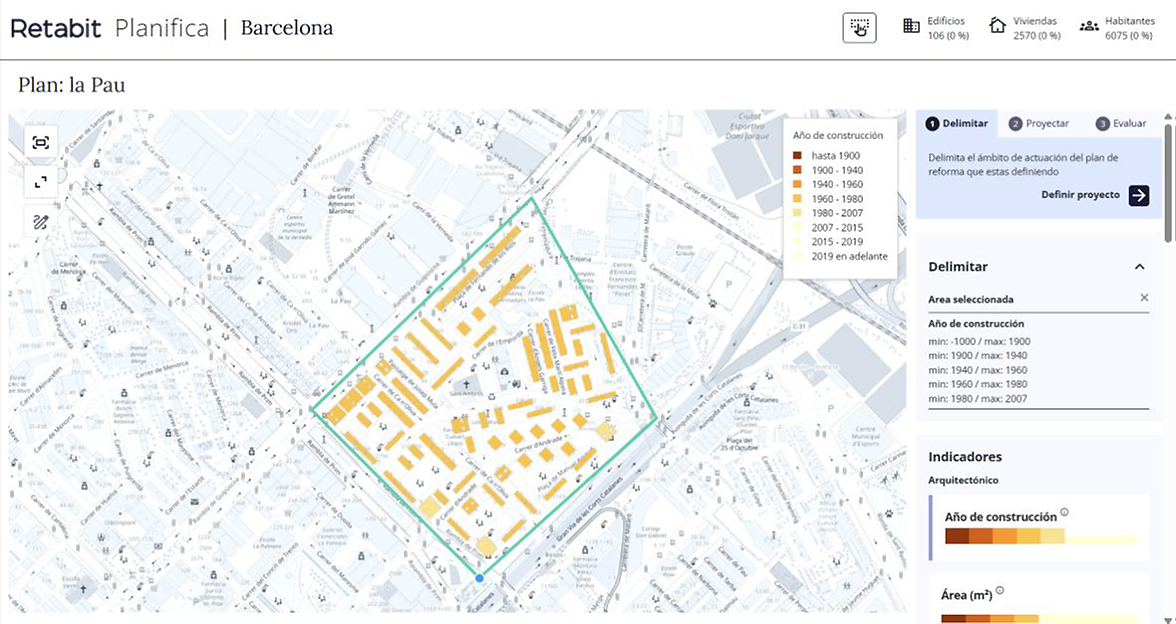
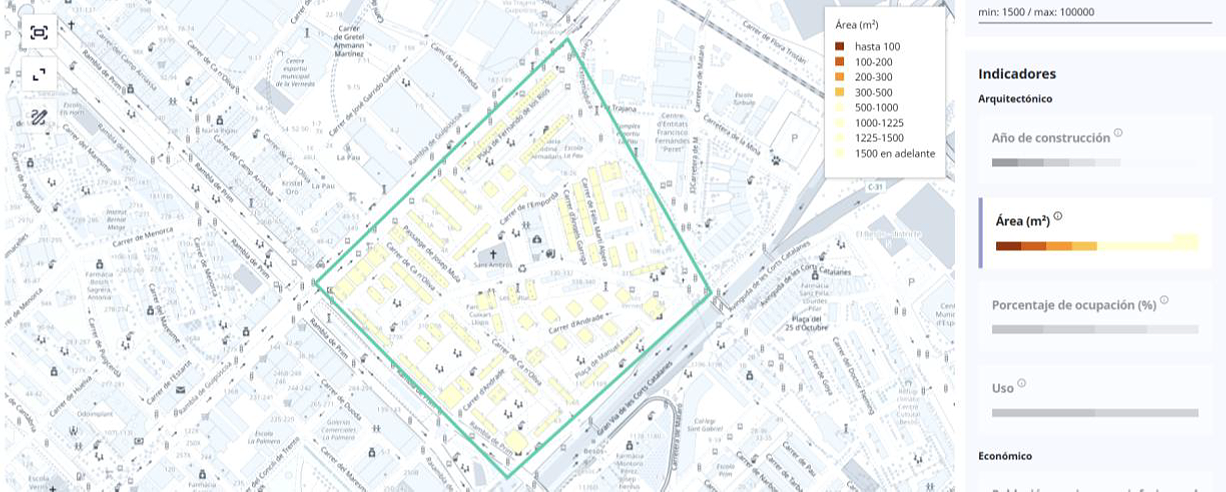
In order to prioritise possible renovation scenarios in the neighbourhood, several criteria were applied to identify the homes most in need of improvement. All dwellings built before 2007 (Figure 13) were selected, corresponding to the entire neighbourhood, and those with a surface area of less than 100 m² were considered, although the application presents an error indicating surface areas greater than 1,500 m², which does not coincide with the original data (Figure 14).
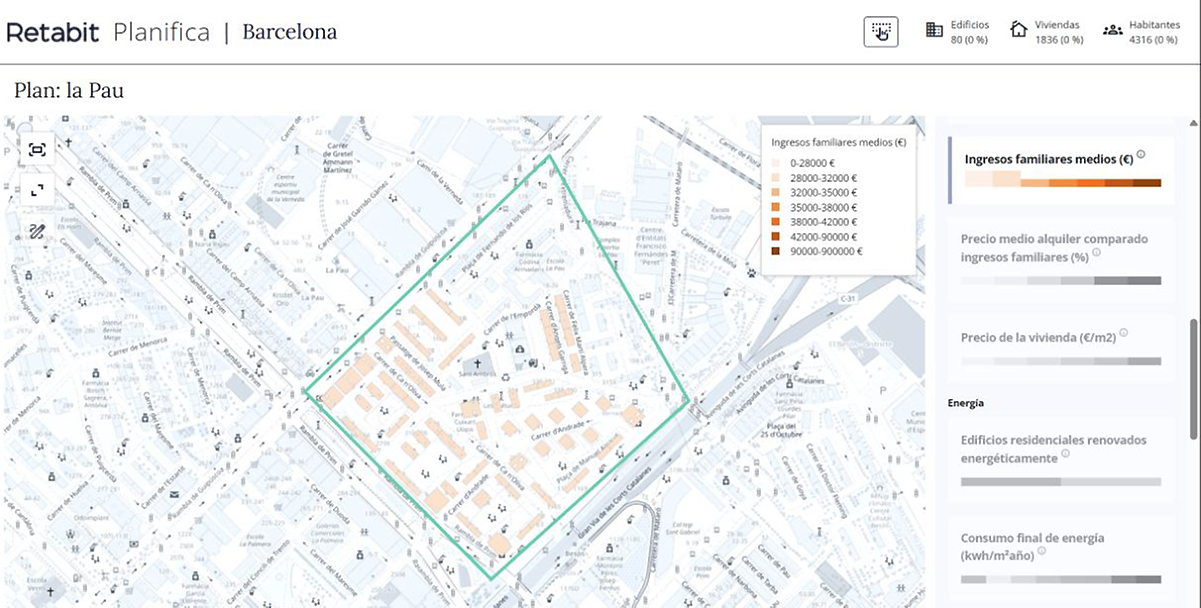
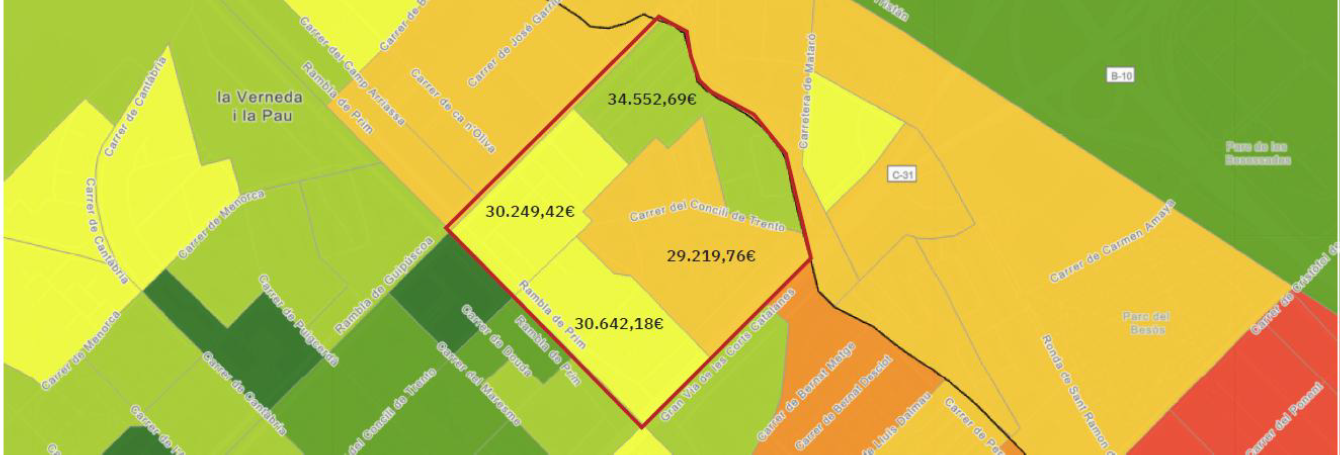
In addition, priority was given to dwellings with incomes between €28,000 and €32,000 (Figure 15), a range consistent with INE information (Figure 16), which reduced the selection to 1,836 units. Finally, energy consumption was taken into account, as all dwellings are classified in the range of 150-200 kWh/m²/year according to the previous analysis.
Finally, energy consumption was taken into account (Figure 17), as all dwellings have a consumption of 150-200 kWh/m²/year according to the previous analysis.
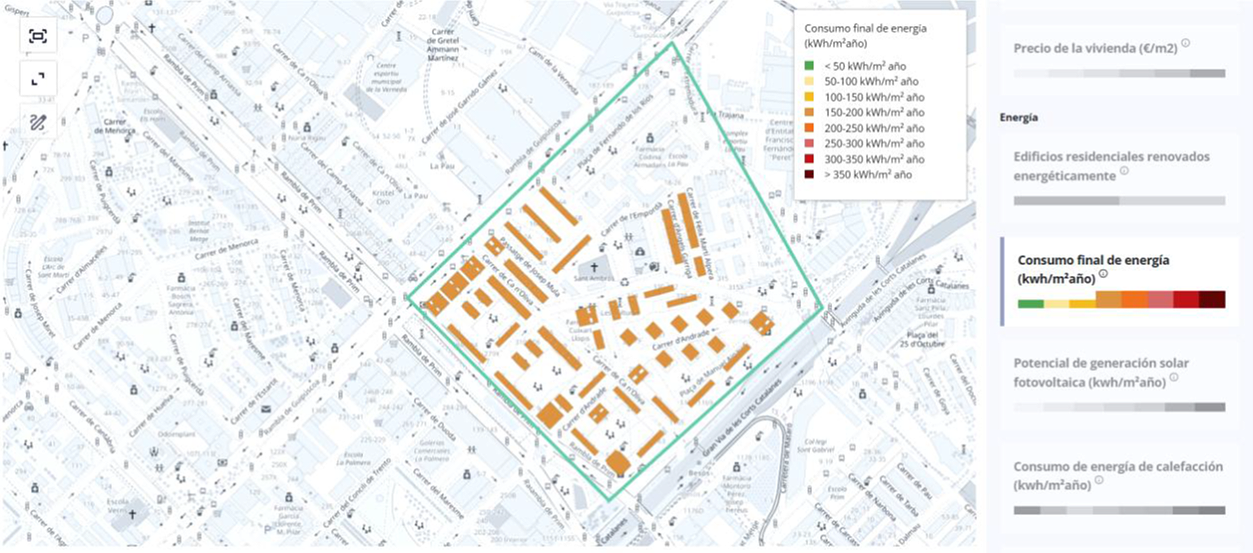
Applying these filters to the indicators corresponding to the theme "Unaffordable living and lack of social equity" makes it possible to identify the buildings to which the renovation measures should be applied.
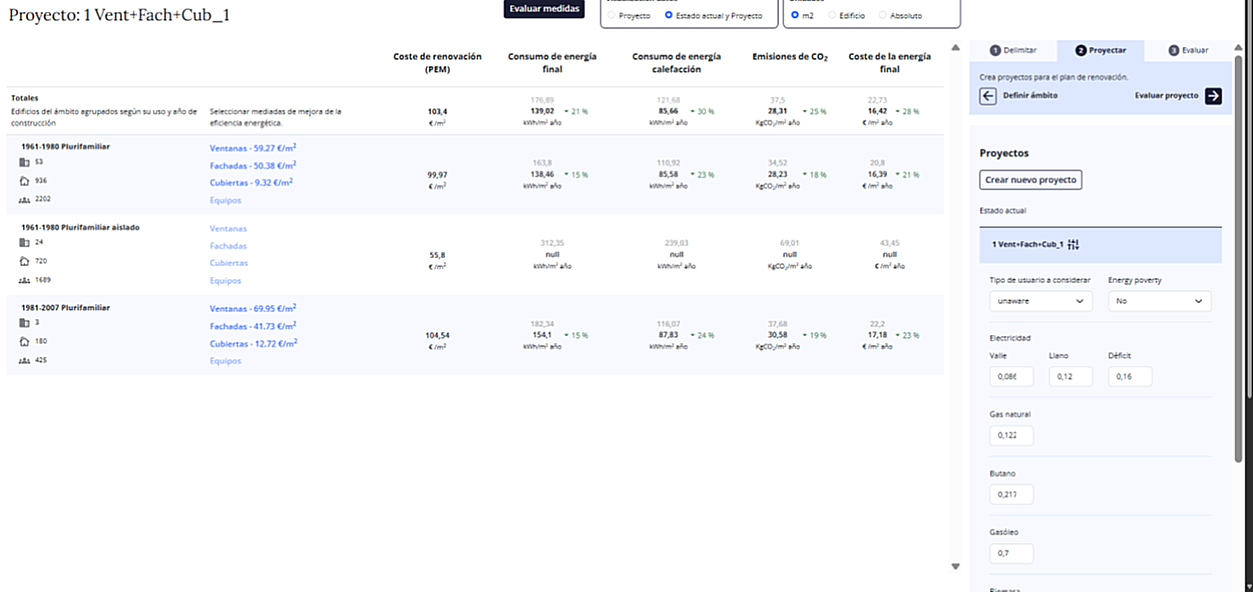
Based on this selection, "RETABIT Planifica" is used to assess the impact of applying passive energy improvement measures, with the aim of reducing energy poverty without relying on external energy sources.
Scenario 1:
Two types of interventions focused on the energy efficiency of buildings are proposed:
1. Replacement of joinery: existing windows and doors are replaced with PVC joinery, which offers greater thermal insulation and reduces heat loss.
2. Mejoras en la envolvente del edificio:
- Exterior facades: an External Thermal Insulation System (ETIS) is applied, using rock wool as insulation material, to improve energy efficiency and reduce heating and cooling demand.
- Roofs: thermal insulation is installed inside using a false ceiling with rock wool, increasing thermal comfort and reducing energy loss to the outside.
Scenario 2:
At the same time, a second project was developed for the same case study, applying the second improvement option, which includes:
- Replacement of joinery: replacement of windows and doors with wooden joinery.
- Exterior facades: installation of a ventilated ceramic façade with a clip substructure, which improves the insulation and ventilation of the building envelope.
- Roofs: installation of XPS insulation on the exterior, increasing thermal efficiency and reducing energy losses.
After defining the two improvement scenarios, the results calculated by the application for each of them were extracted. This allows for a comparison of the impact of passive and active interventions on windows, façades and roofs, evaluating their energy efficiency, potential savings and the economic implications of each option (Figure 19).

As a final step, a specific building in the neighbourhood was evaluated to apply and measure the proposed improvements.
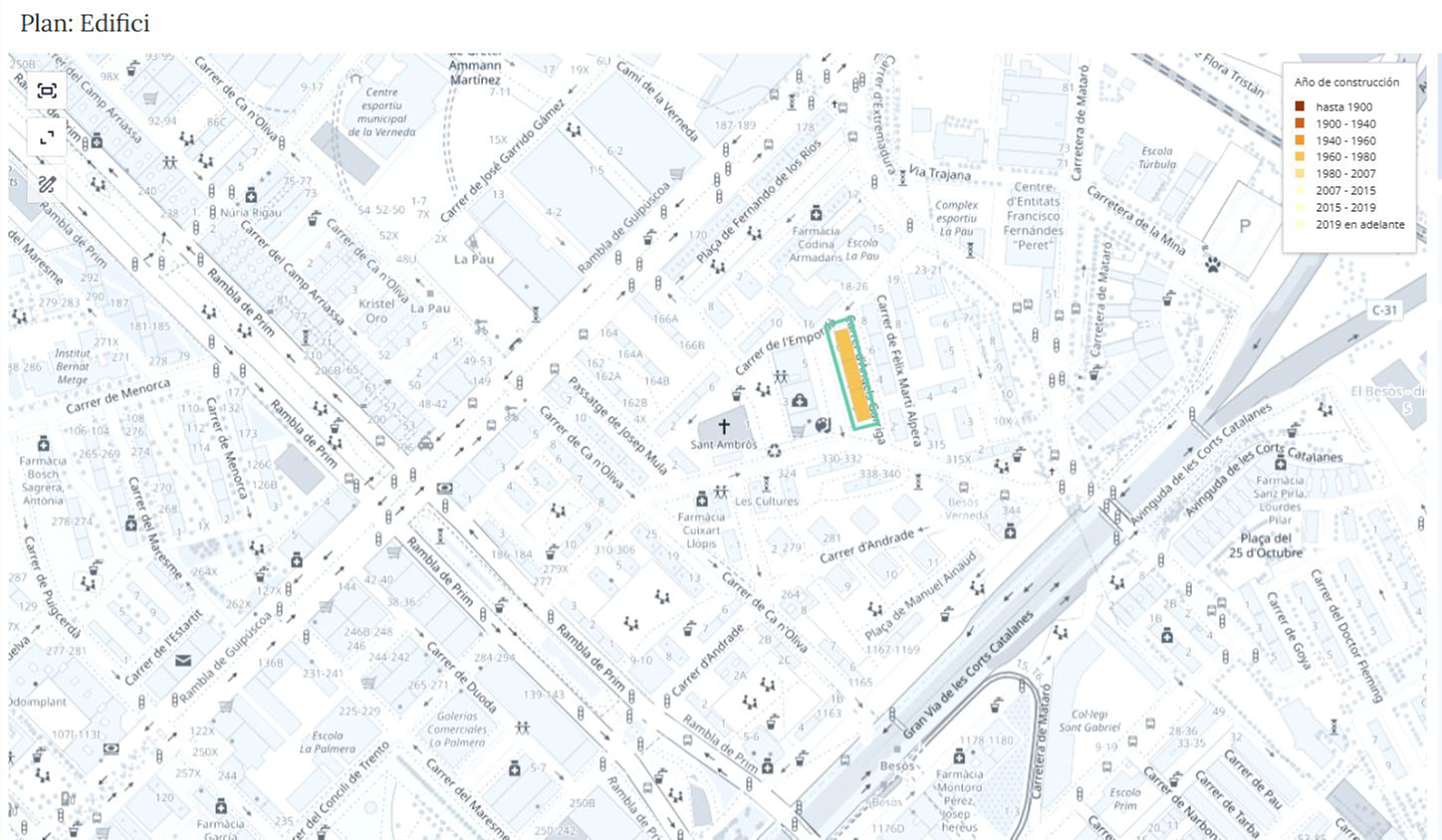
The improvement project for the building includes:
- Replacement of joinery: replacement of windows and doors with wooden joinery.
- Exterior facades: installation of a ventilated ceramic façade with a staple substructure.
- Roofs: installation of insulation inside using a false ceiling with rock wool, improving thermal insulation.
- Equipment: installation of an individual heat pump for heating, cooling and DHW, and replacement of indoor units with low-temperature radiators.
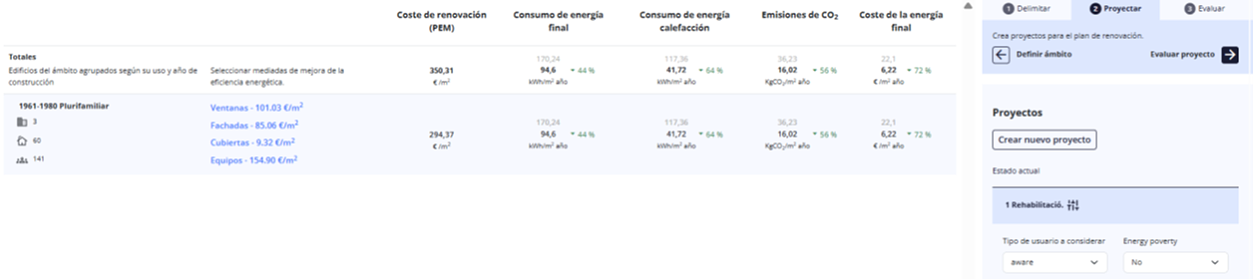

In this case, the tool has proven useful for estimating the costs and benefits of the refurbishment, providing detailed information on the improvements that could be implemented in the selected building and facilitating the planning of energy- and cost-efficient interventions.